
Bahrain Bus Redesign App
PrototypeWith my team at General Assembly, I redesigned Bahrain's bus app around live tracking, NFC GoCard payment, and English and Arabic.
At a glance
- My role
- UI designer
- What I did
- Designed the UI, interviewed and watched riders at a bus station, and tested the prototype with them.
- Result
- A Figma prototype in English and Arabic, tested with riders at a Bahrain bus station.
Section 1
Overview
Bahrain Bus riders often wait at the stop with no idea when the bus will come, and paying means bringing cash or a GoCard. In three weeks, my team of four redesigned the bus app around live tracking, NFC GoCard payment, and English and Arabic. I designed the interface and tested it with riders at the station.
Section 2
Context and challenge
At the bus station, two problems kept coming up. Riders didn't know when their bus would arrive, so they waited without knowing if it was five minutes away or much longer. And to pay, they had to bring cash or carry their GoCard. In Bahrain's summer heat, standing at a stop with no answers is more than an annoyance.
The app also had to work for everyone who rides the bus, including people who don't read English. I only learned how much that mattered once a test failed.
Limits:
Time: three weeks, from research to final prototype.
Team: four classmates. My role was UI designer.
Tools: a Figma prototype, with no real bus data or payment system behind it.
Not included: building or launching the app.
Section 3
Research
I went to a bus station several times. I watched about four riders as they waited, boarded and paid, and I interviewed four or five people at the station. Most were people who ride every day and care most about low cost and a quick, simple boarding. The same two problems came up again and again: not knowing when the bus would arrive, and having to bring cash or a GoCard to pay. Later I went back with the prototype to test it with riders. It's a small sample, so I treat these as strong signals, not proof.
All of this happened at the station, in the middle of Bahrain's summer.
Section 4
Insights
Insight 1
Riders don't know when their bus will come.
People at the station waited without knowing if the bus was close or far away. So I put live route tracking at the heart of the app, showing where the bus is and when it should arrive.
Insight 2
Paying means bringing cash or carrying a GoCard.
Riders had to plan how to pay before they left home, and the app had no way to top up. One rider told us: "I wished there is a way to top up online." So I designed NFC tap-to-pay with the GoCard in the app, plus online top-up.
Insight 3
An English-only app leaves riders out.
During a test at the station, a rider couldn't read my English prototype, and the test stopped there. So we added a full Arabic version, and I went back to test again.
Section 5
Process
I started at the bus station, not in Figma
Before designing any screens, I went to a bus station to see how people really ride. I watched riders wait and pay, and talked to them about their trips. From what I saw, I mapped the user flows and the sitemap: how a rider checks their bus, pays for the trip, and tops up their card.
I made the bus's live position the heart of the app
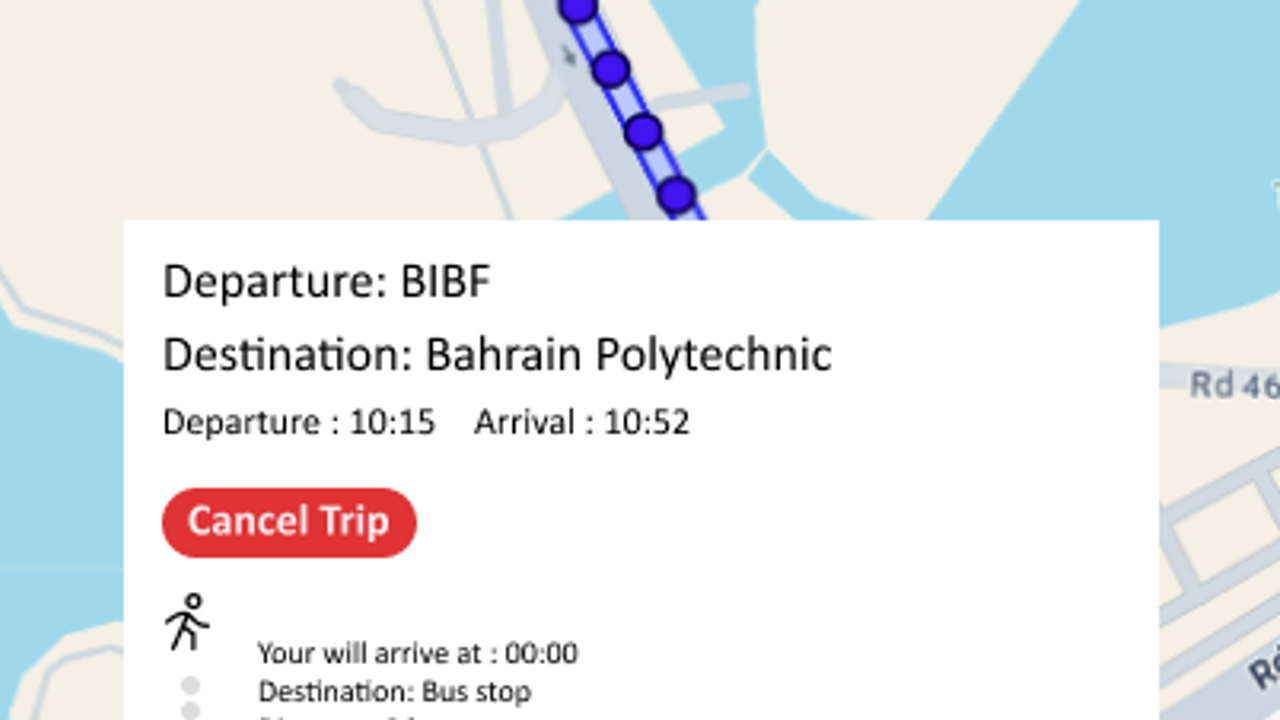
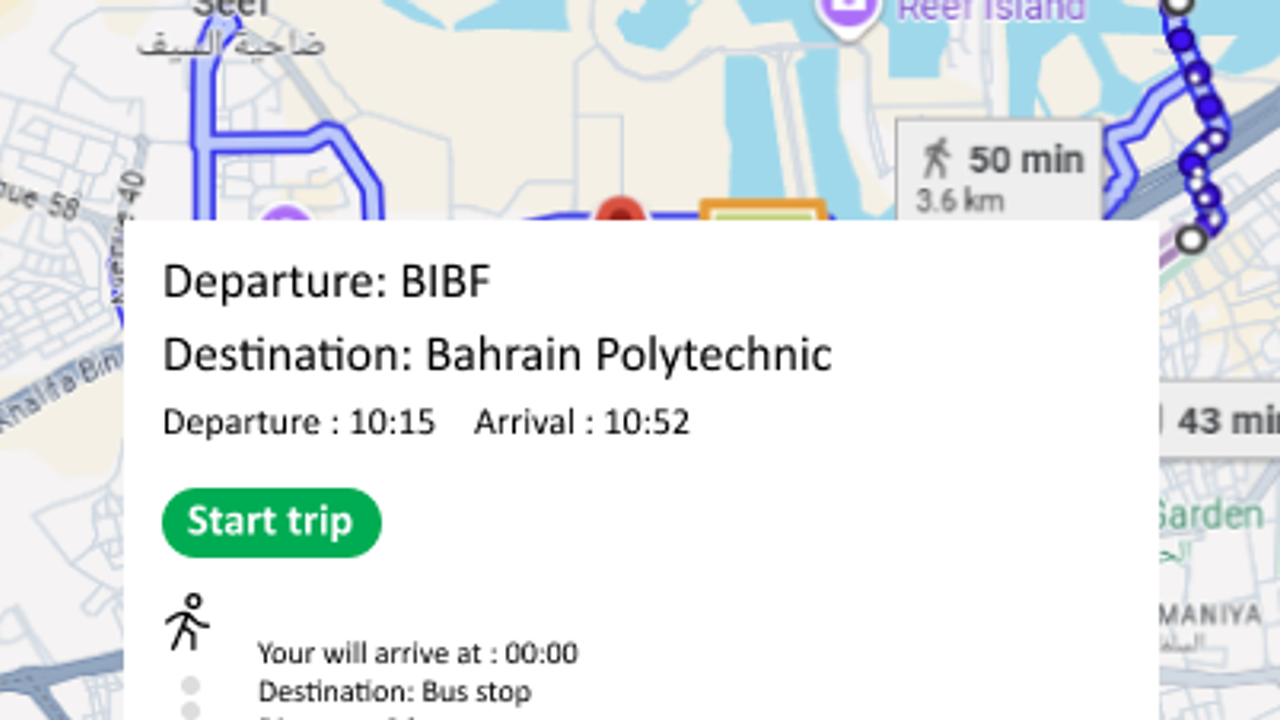
The biggest worry at the stop was not knowing when the bus would come. So live route tracking leads the app: riders see where their bus is and when it should arrive. I designed an animated journey-tracking component so the bus's progress reads at a glance.
I made paying a single tap with the GoCard
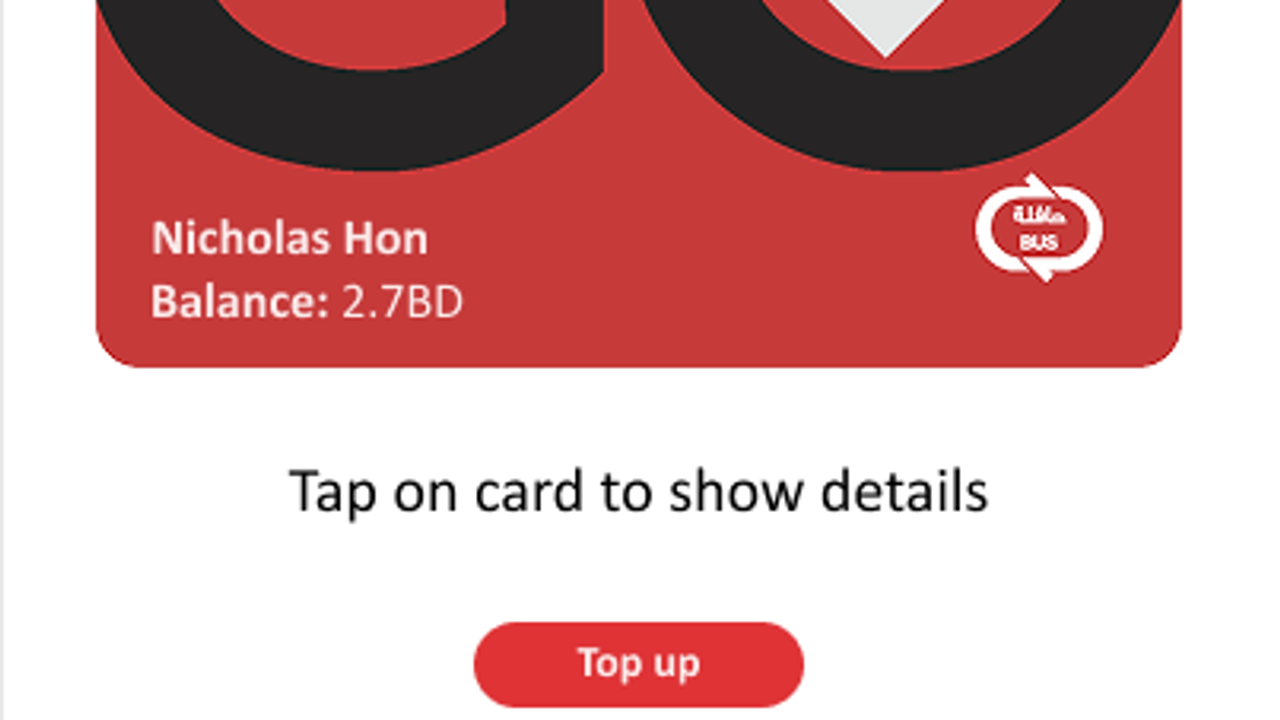
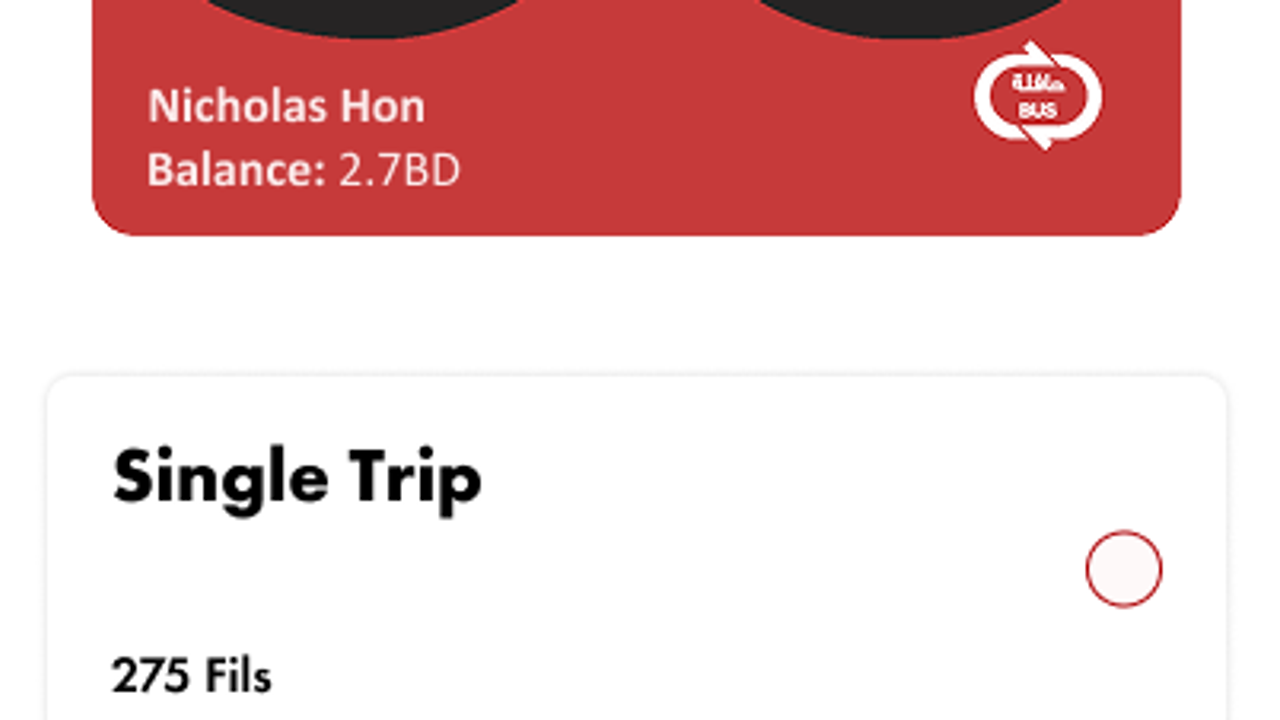
Riders had to bring cash or carry their GoCard. I designed NFC tap-to-pay with the GoCard in the app, plus a top-up flow, each with its own animation. I also looked at QR codes, but scanning means opening the phone, scanning and then paying, which is too slow at the bus door.
I rebuilt the app in Arabic after a test failed
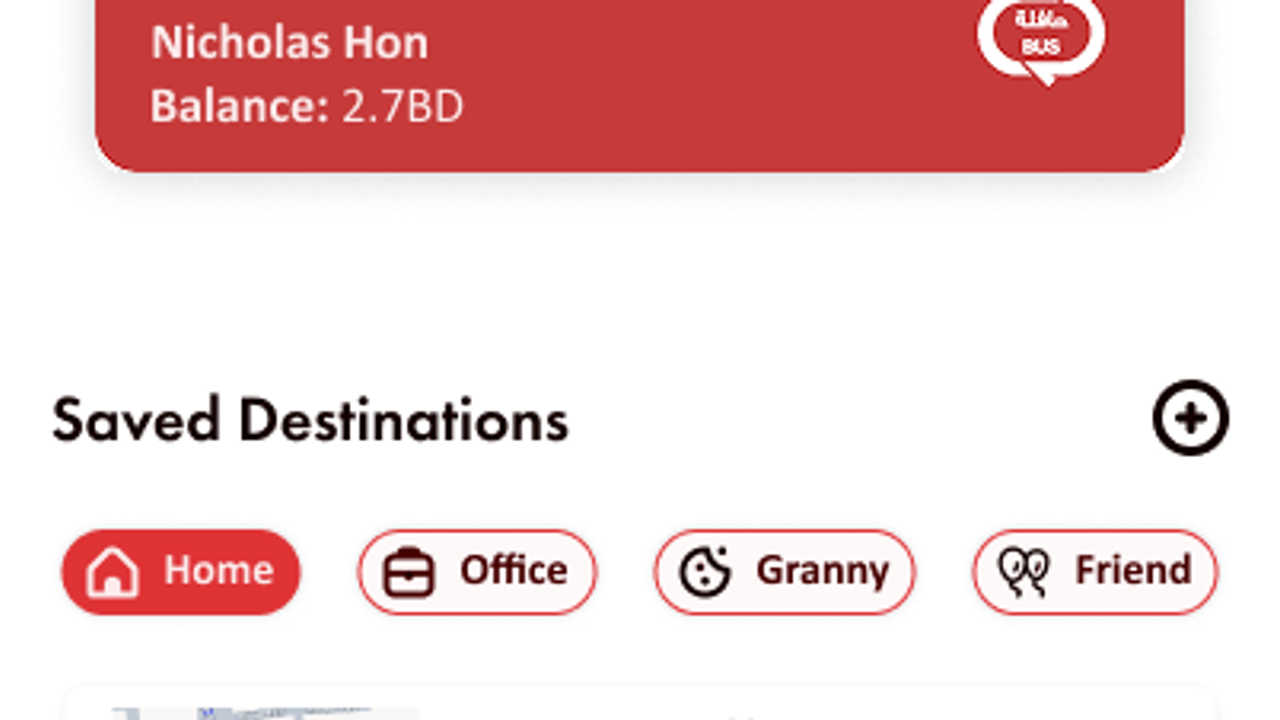
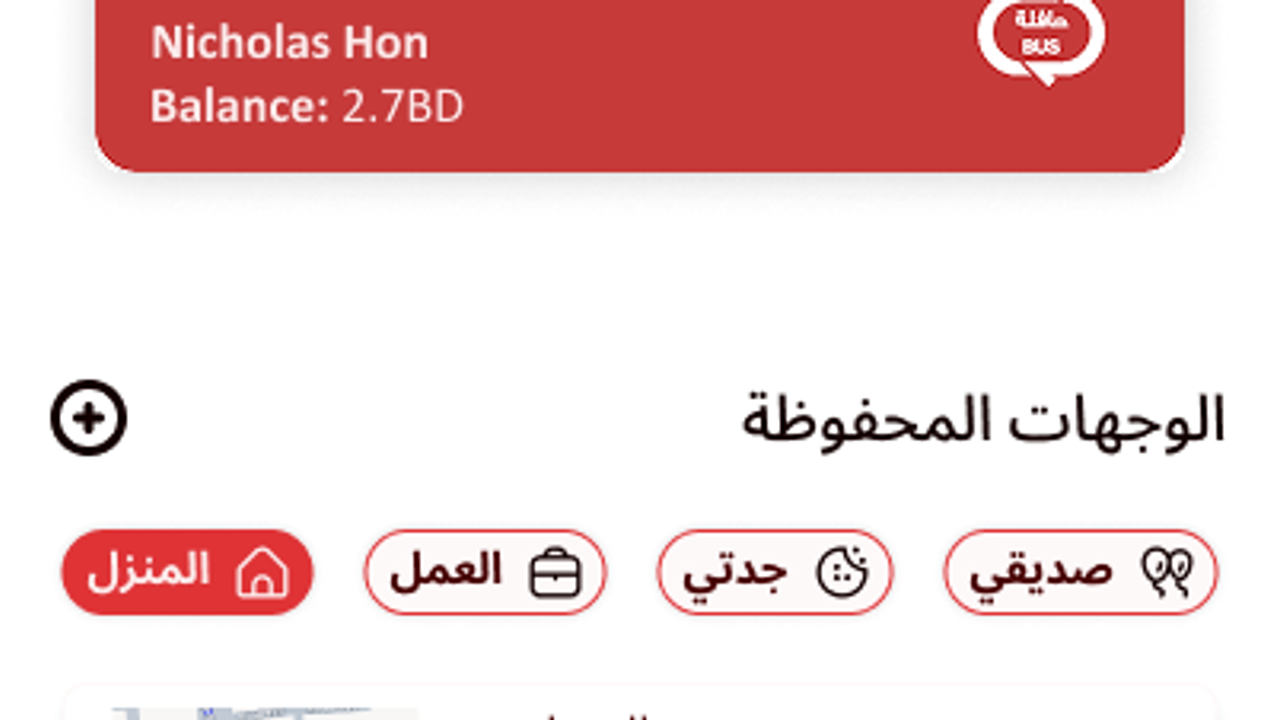
My first prototype was in English only. At the station, I showed it to a rider who couldn't read English, and we had to stop the test. That was my dead end, and the moment the app became bilingual. We went back, designed an Arabic version, and I returned to the station to test again.
I built the screens on a design-token system
I built the interface on a token-based design system with four layers. Brand holds the raw colours, fonts and spacing. Alias names them by role, like primary, neutral and success. Mapped says what each colour does on screen, with light and dark modes. Responsive holds the type sizes. A separate set of text variables has English and Arabic modes, so switching the language swaps every label at once. On top of that, I built animated components for journey tracking and the GoCard.
Section 6
Decisions
Decision 1
I chose NFC tap-to-pay over a QR code.
Options I weighed
Scanning a QR code to pay when boarding.
Why I chose this
Speed at the door. With a QR code, a rider has to open the phone, scan and then pay, and that takes too long while people are boarding. The cost is that tap-to-pay only works on phones with NFC.
Decision 2
I made the app work in English and Arabic.
Options I weighed
Keeping it English only, like my first prototype.
Why I chose this
A rider at the station couldn't read the English prototype, and the test ended there. A bus app has to work for everyone who rides. The cost was designing and checking every screen in two languages.
Section 7
Final design
Start with live journey tracking, then the GoCard tap-to-pay and top-up animations.
Section 8
Outcome
The result is a Figma prototype of the bus app in English and Arabic, with live journey tracking, NFC GoCard tap-to-pay and online top-up. I tested it with riders at a bus station over more than one visit. Testing changed the design in one big way: the app became bilingual after a rider couldn't read the English version. The app was not built or launched, so there are no usage numbers.
Section 9
What I'd do differently
I'd design in Arabic from the first screen, instead of finding out at the station. I'd also test with more riders, since four or five people is a small sample. The final design would probably look the same, but I'd get there faster.